
Natural hazards and health risks
Advice for travellers visiting areas affected by natural hazards
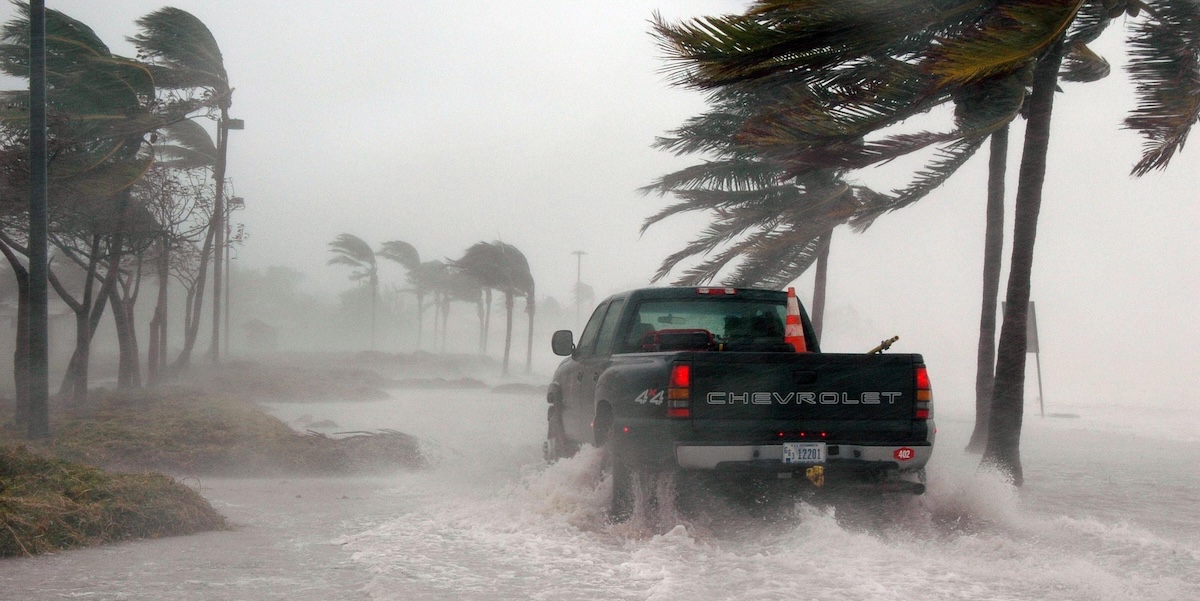
Natural hazards such as hurricanes, floods, wildfires, earthquakes, and volcanic eruptions can cause serious challenges for people living in and visiting affected areas. In addition to the immediate risk of injury, these events can lead to power cuts, damage to homes and roads, difficulty in contacting emergency services and affect water and sewage systems. They can also put extra pressure on local health services by increasing demand for medical care, damaging hospital/clinic infrastructure and disrupting supply routes for essential medicines and equipment.
After a natural hazard has occurred, local health services often face high demand. Many people may be injured and need urgent medical care. There is also a greater risk of diseases such as diarrhoea or mosquito-borne infections, especially when there is limited access to clean water and food or when people are living in crowded conditions. Poor air quality caused by wildfires and volcanic eruptions can be harmful to the lungs or heart. The emotional and psychological impact of living through a disaster can also be significant and persist for extended periods of time following the event itself.
Advice for travellers
Before you travel
If you plan to visit areas affected by a natural hazard you should consider if travel is essential. If you must travel to the affected area:
- Follow the Foreign, Commonwealth and Development Office (FCDO) travel advice and check their warnings for your destination.
- Speak to a health professional before you go about your travel plans and consider measures you can take to reduce your risk of travel-related accidents and illnesses.
- See the travel health advice on our Country Information pages, which includes information on specific health risks and vaccination requirements and recommendations.
- Look at hazard-specific advice for the destination, for example, what to do in the event of an earthquake, so you understand local advice during and after an emergency.
- Arrange travel insurance well in advance of your trip.
- Be aware of potential disruptions to healthcare, power, and water supplies.
- Pack essential medicines, including any regular prescriptions, and a basic first aid kit.
- Advice for humanitarian aid workers who are travelling to help with the relief effort is available. Check with the deploying organisation for specific guidance.
While you are away
- Follow local authority instructions and avoid areas marked as unsafe (disaster zones) unless you are part of an official relief team.
- Use strict bite avoidance measures to reduce the risk of insect/tick borne illnesses and follow malaria prevention advice.
- Stay safe by following food and water hygiene advice and be prepared to manage diarrhoea if it happens.
- Check what telemedicine services are available in case you cannot reach a doctor or hospital easily. Do not delay medical care if you need it.
- If a natural hazard occurs while you are visiting an area, keep updated by listening to the local news. Follow the instructions from local authorities, and if you are told to leave an area, do so immediately.
- Keep checking the FCDO safety and security advice and sign up for updates.
When you return
- If you have visited an area affected by a natural hazard and feel unwell or have any health issues when you get back to the UK, contact your healthcare provider.
- If you get symptoms like a fever, flu, prolonged or bloody diarrhoea, stomach pain, or a rash during or after your trip, seek urgent medical care.
- Remember, symptoms of certain infections, including malaria, can appear up to a year after being in a risk area. If you were given malaria medicine, make sure you complete the course as directed.
Explore more
Falsified rabies vaccine: India
Falsified rabies vaccine was reported in India in 2025
Updated: 26 February 2026IXCHIQ chikungunya vaccine: updates to restrictions of use
Following a safety review, the MHRA has published details of new precautions and contraindications for IXCHIQ
Updated: 09 March 2026Shigella and Salmonella cases reported in travellers returning from Cape Verde
A food and water hygiene reminder
Updated: 25 February 2026Marburg virus disease in Ethiopia
On 26 January 2026, the Ministry of Health of Ethiopia declared the end of the Marburg virus disease outbreak
Updated: 05 February 2026Lunar New Year 2026: Travel advice
Celebrating Lunar New Year abroad? Plan ahead to enjoy a safe trip during this popular worldwide public holiday
Updated: 05 March 2026